

🍽️ Return Damaged Product Form (for Food Service Vendors)
Track, Record, and Recover Every Refund with Confidence
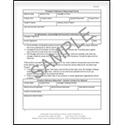
When food deliveries arrive damaged, spoiled, or incomplete, your business shouldn’t have to absorb the cost. The Return Damaged Product Form gives restaurants and food service operators a clear, professional way to document delivery issues, request refunds, and maintain accountability with vendors.
This form is designed to help you track every Return Damaged Product incident — from the moment of delivery to the moment your refund is received. It creates a reliable paper trail that protects your revenue and ensures your vendors uphold quality standards.
📦 Why You Need a Return Damaged Product Form
Even the best suppliers make mistakes. Without a structured method to record damaged or spoiled deliveries, you risk losing money and serving inferior food.
This Form helps you:
- 🧾 Record damaged or unusable items immediately
- 💰 Track refund amounts and dates received
- 🕒 Maintain a timeline of vendor issues
- 🧠 Identify recurring problems with specific suppliers
- 🧍♂️ Hold vendors accountable for quality and consistency
This simple form can save your restaurant hundreds of dollars each month — and prevent costly quality failures that affect your guests’ experience.
For additional information on Food Safety, look at the Food Safety website. They have information about outbreaks and how to keep all your food safe.

👨🍳 Who Should Use This Form
The Manager, Head Chef, or Kitchen Manager should be responsible for checking deliveries and completing the form. These roles are closest to the receiving process and can quickly spot issues such as:
- ❌ Outdated or expired items
- 💥 Damaged packaging or broken seals
- 🤢 Spoiled or unsafe food
- 📦 Incomplete orders from the distribution center
- 🌡️ Incorrect time or temperature during transit
By documenting these issues, you create a clear record that supports refund requests and vendor evaluations.
🧊 Common Reasons to Return Damaged Products
❄️ Ice Crystals on Frozen Foods
Ice crystals indicate refreezing — a sign that the product thawed and was re‑frozen. This can cause bacterial growth and serious health risks. Never accept frozen items with ice crystals. Record the issue and demand a credit immediately.
🥫 Canned Goods
Reject any cans that are bloated, dented, rusted, or unlabeled. Dents can lead to contamination and increase the risk of Clostridium botulinum, the bacteria that causes botulism. Always check expiration dates and reject any outdated or damaged cans.
🥬 Produce
Fresh produce should look and smell fresh. Reject items that are bruised, slimy, wilted, discolored, or have strong odors. Inspect each case carefully — produce has a short shelf life, and accepting poor quality items can lead to waste and guest complaints.
📦 Dry Goods
Inspect boxes and bags for holes, tears, or signs of rodents or insects. Check expiration dates and reject any outdated or damaged packaging. Dry goods should arrive clean, sealed, and pest‑free.
🌡️ Temperature and Condition Checks
Food safety starts with temperature control. Many restaurants now perform regular temperature checks for refrigerated and frozen items — but not all distributors do.
Use the Return Damaged Product Form alongside your Temperature Danger Zone Chart to ensure all deliveries meet safe temperature standards. If a product arrives above the safe range, record it, reject it, and request a refund.
Your vendors should also maintain proper temperature logs during transit. Consistent documentation protects your business and your guests.
🥩 Inspecting Meat, Poultry, and Fish
Use your senses — sight, smell, and touch — to determine what to accept or reject.
| Product | Accept If | Reject If |
|---|---|---|
| Fresh Beef (≤ 40°F) | Bright cherry color | Black, brown, green, or purple spots; torn wrappers |
| Fresh Pork (≤ 40°F) | Pink flesh, white fat | Brown, black, greenish spots; damaged cartons |
| Fresh Lamb (≤ 40°F) | Bright red color | Discolored or dirty packaging |
| Fresh Poultry (≤ 40°F) | Firm texture, springs back | Green or purple discoloration, abnormal odor |
| Fresh Fish (≤ 40°F) | Clear eyes, firm flesh | Fishy odor, cloudy eyes, soft texture |
| Shellfish (≤ 45°F live / ≤ 0°F frozen) | Closed shells or movement | Slimy, discolored shells, strong odor |
Reject any product that shows signs of spoilage or improper handling. Record the issue immediately on the Return Damaged Product Form and notify your vendor.
🧾 How to Use the Returned Damaged Product Form
1️⃣ Inspect Deliveries Upon Arrival Check every item for damage, spoilage, or temperature issues before signing off.
2️⃣ Record the Details Document the product name, quantity, reason for return, and refund amount.
3️⃣ Track Refunds Note when the refund was received and verify the amount matches your records.
4️⃣ File for Reference Keep completed forms organized by vendor and month. This creates a clear history of supplier performance.
💡 Why the Return Damaged Product Form Matters
Without documentation, damaged deliveries can quietly drain your profits. The Return Damaged Product Form gives you a structured, professional way to protect your bottom line. It strengthens vendor relationships, supports food safety compliance, and ensures accountability across your operation.
After all — it’s your money. Can you really afford cash in your trash? Use the this form to track any issues with deliveries.
🛒 Return Damaged Product Form Download

Items in Your Cart
Visit The Shop